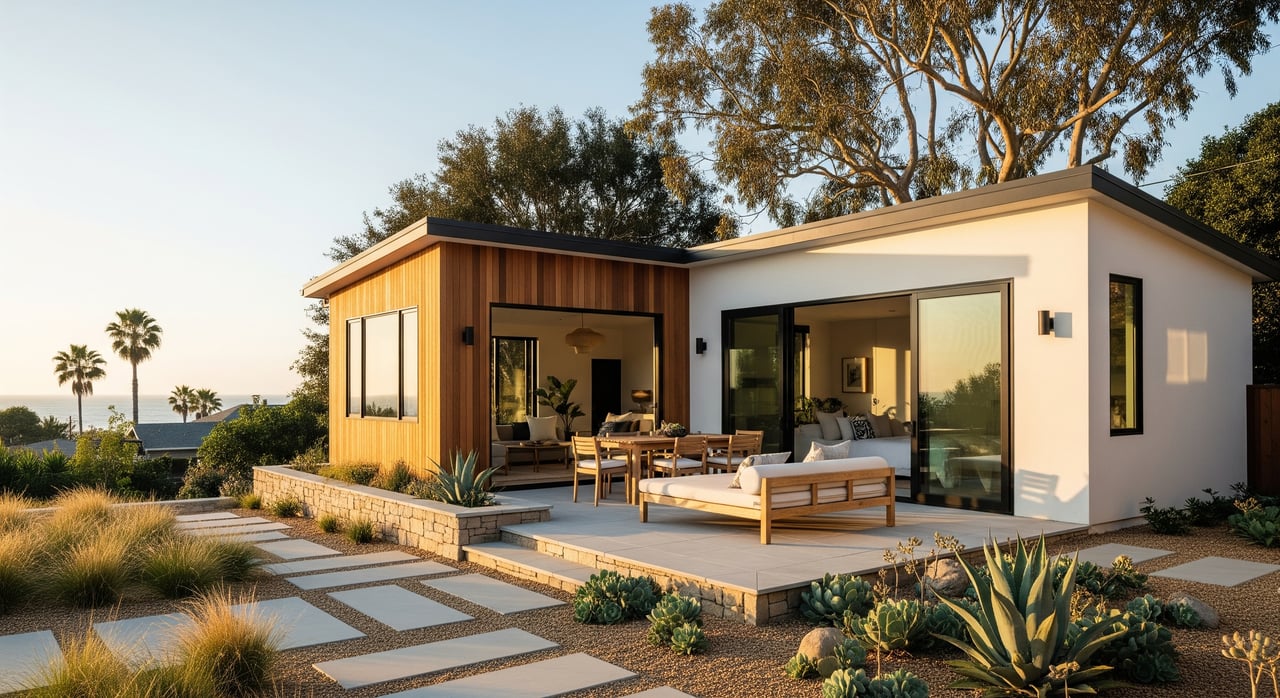
ADUs in Encinitas: What Homeowners Should Know
December 11, 2025
December 11, 2025
Thinking about adding an ADU to your Encinitas home? You are not alone. With state law clearing a path and strong demand for flexible housing, more North County homeowners are exploring backyard cottages, garage conversions, and in‑home suites. In this guide, you will learn the rules that matter in Encinitas, what it realistically costs, how permitting works inside the Coastal Zone, and smart design choices that fit coastal living. Let’s dive in.
Accessory dwelling units create flexible space that can serve many needs: long‑term rental income, a place for aging parents or adult children, and a way to boost a property’s usefulness and market appeal. In Encinitas, ADUs are often a practical response to the region’s housing pressures, especially for owners who want to add gentle density without changing the character of the neighborhood.
California has also made it simpler to build ADUs. Recent laws require many applications to be processed ministerially, limit certain parking requirements, and reduce fees for smaller units in many cases. The result is a clearer path from idea to approval, even in coastal communities like Encinitas.
Much of Encinitas lies within California’s Coastal Zone. Your project may need to show consistency with the city’s Local Coastal Program. Depending on location and LCP status, additional coastal review or conditions can apply, and some sites could trigger California Coastal Commission involvement. Plan for this early, since coastal review can add time and steps beyond a typical inland permit.
Encinitas zoning generally determines where attached, detached, junior ADUs, and garage conversions are permitted. Most single‑family and many multi‑family areas allow some form of ADU, subject to objective standards. Always verify your zoning district, lot size, and overlays with the City of Encinitas Planning Division before you begin design work.
Encinitas uses numeric standards for maximum size, height, setbacks, and lot coverage. The exact numbers can vary by zoning and ADU type. Smaller units can be simpler to fit within height and coverage limits, and may benefit from reduced fees. Confirm the current thresholds before you settle on a floor plan.
If you are converting an existing garage, state law often eliminates the need for replacement parking. When parking is required, proximity to transit or other factors may reduce or waive it. Lot layout, driveway access, and bedroom count can also matter. A quick pre‑application check with the City can save time later.
Most Encinitas neighborhoods connect to sewer, but some properties use septic systems that carry specific spacing and capacity requirements. Plan early for sewer or septic, water, gas, and electrical service. If your main panel cannot support an additional unit, a service upgrade can affect budget and timeline.
Historic resources, steep slopes, flood zones, or environmentally sensitive habitat areas may layer on objective standards or require studies and mitigation. In coastal flood‑prone areas, foundation design and elevation details can be critical. Verify overlays at the start so your designer can respond to them in the plans.
Many coastal cities place limits on short‑term rentals. If you are considering using an ADU as a vacation rental, check Encinitas’ current short‑term rental rules first. State law reduced many owner‑occupancy barriers for ADUs, but you should still confirm what applies to your specific property and ADU type.
Converting an existing garage is often the most cost‑effective path because you are reusing the structure. State rules may also remove replacement parking requirements for conversions, which can simplify approvals. Plan for insulation, seismic, and energy upgrades to meet code, and consider how to integrate storage lost from the garage.
A freestanding backyard cottage offers maximum privacy and flexibility. Detached units generally cost more per square foot because they require full site work and systems. They can fit multigenerational living well, especially with a single‑level layout and accessible features.
An attached ADU leverages part of the primary home with a new entrance, possibly as an addition. This option can be more affordable than a new detached unit, depending on site work and structural needs. Pay close attention to privacy, sound separation, and access.
A JADU typically comes from converting a portion of the main house. Many JADUs have a smaller footprint and may share some facilities. If you need an efficient studio or one‑bed solution within your existing layout, a JADU can be a good option.
Give your ADU its own entry and clear path of travel. Position doors and windows for privacy between the main house and neighbors. Thoughtful fencing, screening, and landscape choices add comfort without adding mass.
Encinitas uses objective height and setback standards. A stepped roofline, articulated facades, and a smaller footprint help meet those standards and blend with neighborhood character. Early massing studies can surface constraints before final design.
Near the coast, confirm if your parcel is in a flood zone. If so, work with your design team on foundation type and elevation strategies. Plan for stormwater compliance, tree protection, and native planting that respects local requirements and limits grading.
Your ADU must meet California Building Code standards for egress, fire safety, energy, and ventilation. Some areas require fire‑resistant construction or sprinklers, depending on site conditions. Expect inspections at rough framing, plumbing, electrical, insulation, and a final inspection before occupancy.
Local ADU costs vary widely, especially with coastal conditions. Conversions tend to be the most budget‑friendly, while detached new builds land higher due to foundations and full systems. Get multiple estimates from local contractors who understand Encinitas permitting and Coastal Zone requirements.
State law sets ministerial review timelines for ADUs, which speeds up approval compared to discretionary projects. Coastal consistency review can add time, so plan for that if your site requires it. Ask the City of Encinitas about current plan‑check volumes and average turnaround to set realistic expectations.
Fees differ by ADU size and scope, with smaller units often qualifying for reduced impact fees. Your final fee total can include plan check, building permits, and any special district charges. Confirm the current fee schedule with the City at the start of design.
You have several ways to pay for an ADU, each with trade‑offs:
When comparing options, look at total borrowing costs, draw schedules, and how quickly you can convert to a permanent loan once construction is complete.
Adding living space typically increases your assessed value. Proposition 13 still applies, but new construction or additions are generally assessed as an increment to your base. Check with the San Diego County Assessor for how your specific ADU will be treated and whether any exclusions apply.
Encinitas’ coastal location supports steady demand for long‑term rentals, though income depends on unit size, finishes, and market conditions. Short‑term rentals may face stricter regulation, so confirm the current rules before planning a vacation‑rental strategy. Include utilities, insurance, maintenance, and vacancy in your ROI calculations.
Every Encinitas lot is a little different, especially in the Coastal Zone. A well‑planned approach saves time, reduces surprises, and protects your budget. If you want a trusted local partner to help you align your ADU plan with your long‑term goals, reach out to Alexandra Crum for a tailored consultation.

Alexandra Crum
A trusted real estate agent in Rancho Santa Fe, CA, known for her market expertise and personalized client service. With a background in managing family properties and a passion for real estate, she brings valuable local insight. An equestrian enthusiast, she loves Rancho Santa Fe’s charm and strong community. Outside of real estate, she enjoys design, fitness, and supporting her children's activities.
Stay up to date on the latest real estate trends.
What to Expect During the Buyers Home Inspection Process in Rancho Santa Fe.
How to Time the Market When Selling a House in Rancho Santa Fe.
Sophisticated Interior Design Styles in Rancho Santa Fe for Luxury Homes.
Strategic Improvements and Value-Adding Home Upgrades for Rancho Santa Fe.
What Sellers Should Understand About a Home Inspection Before Selling.
My mission is to provide you with exceptional service and results that exceed your expectations.