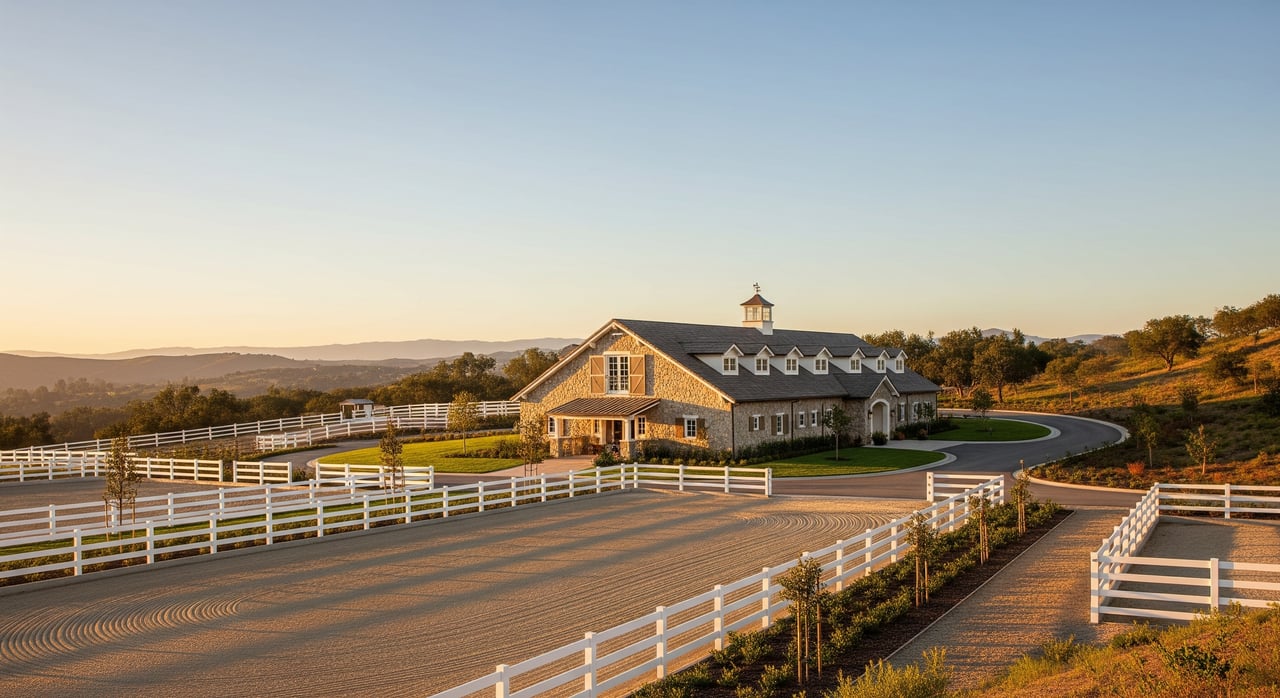
Olivenhain Equestrian Property Guide: Key Buying Factors
January 15, 2026
January 15, 2026
Shopping for a horse property in Olivenhain can feel exciting and overwhelming at the same time. You want room to ride, safe facilities, and a property that holds its value in a niche market. The good news is that with a focused checklist, you can spot the right fit and avoid expensive surprises. This guide walks you through the key factors for 92024, from permits and water to barns, arenas, wildfire, and resale. Let’s dive in.
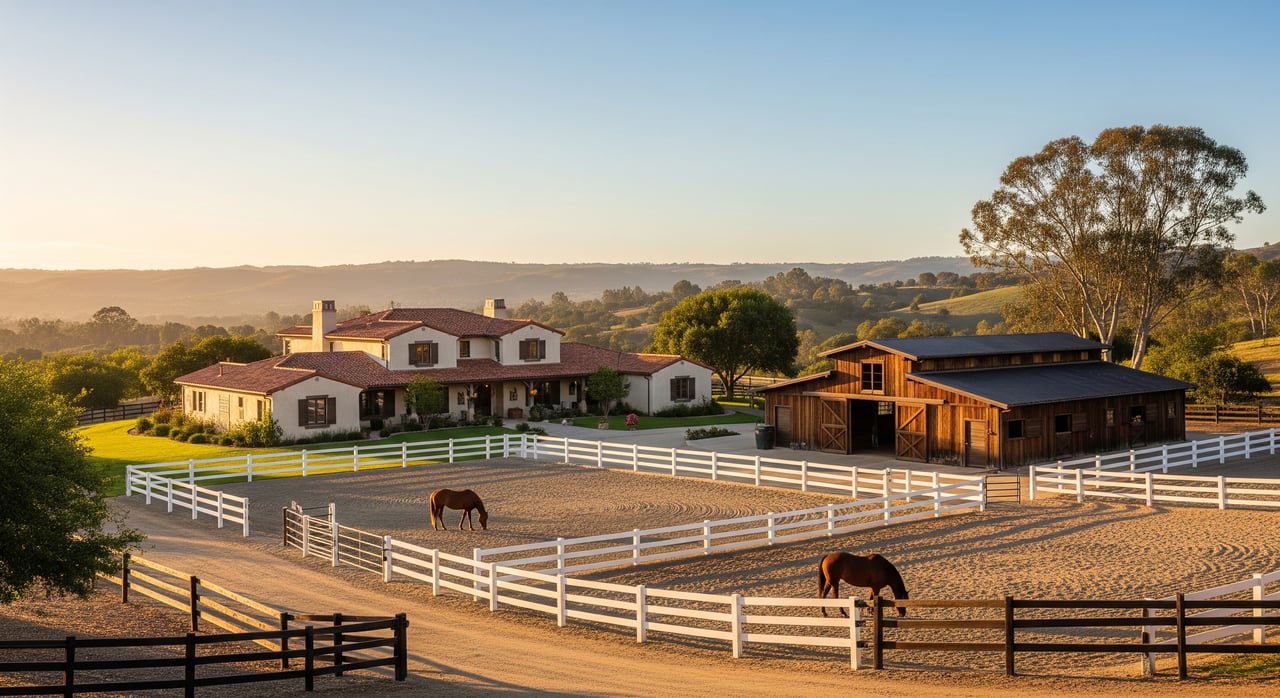
Olivenhain in 92024 offers a semi rural lifestyle with a mix of estate and smaller rural lots, many marketed as equestrian. You’ll see properties with barns, arenas, irrigated paddocks, and trailer access. Keep in mind this is a niche segment. Equestrian improvements attract specialized buyers, which can narrow the general buyer pool when it is time to sell.
Local services matter for daily life and costs. Look into equine veterinarians, farriers, feed and tack suppliers, riding instructors, and nearby public trail systems. Access to these services affects your operating budget and convenience.
Buying or selling an equestrian property involves more than acreage and a barn. In 92024, confirm rules with the proper agencies before you commit.
The ground beneath your boots is as important as the barn. Evaluate the land with your intended use in mind.
Stocking rates vary by climate and goals. A common rule of thumb is at least 1 to 2 acres per horse for turnout, and more if you expect pasture to supply a meaningful share of feed. In Southern California’s drier climate, plan for supplemental hay or more acreage. Rotational grazing and a forage assessment help preserve pasture health.
Good drainage supports hoof health and reduces mud and maintenance. Steep slopes complicate arena construction and increase erosion risk. Ask for soil tests and a site evaluation that looks at compaction, drainage paths, and any contaminants.
Water reliability is a top priority. Confirm whether the property is on municipal water or a private well, and verify meter size, pressure, and any drought restrictions. Budget for irrigation of pastures and dust control in arenas. If reclaimed or treated water is available for irrigation in your area, explore how to access it and what it costs.
Safe, well planned facilities make daily care easier and improve long term value.
Look for safe stall sizes and layouts, strong ventilation, non slippery flooring, and clear egress. Separate tack and feed storage from animals, and check for pest control in feed areas. A defined manure handling zone and a wash stall are helpful. Inspect roof condition, gutters and drainage, and electrical safety.
Arena drainage, grading, and footing quality are major selling points. Poor grading increases maintenance and injury risk. If you need a covered arena, know that permanent structures typically require structural permits and can trigger additional site requirements.
Visible, sturdy fencing such as post and rail or pipe is preferred for horses. Review cross fencing for rotational turnout, gates sized for trailer access, and drainage that protects fence lines from washouts. Avoid poorly designed high tensile wire that can be hazardous without proper visibility and safety features.
Confirm the driveway can handle trailers and emergency vehicles, and that any entrance permits are in place. Check power capacity for arena lights or heated waterers, internet and phone service for cameras or smart gates, and septic or sewer details for the home and any barn bathrooms.
Olivenhain sits in California’s wildland urban interface, so fire planning is part of ownership.
Understand defensible space and vegetation management rules for your parcel. Structure hardening features like Class A roofs and ember resistant vents improve safety and can support insurance eligibility. Driveway width, water supply, and hydrant proximity affect response access.
Expect specialized coverage needs. Homeowners policies may require equine endorsements. If you offer boarding or lessons, you will likely need additional commercial liability. Owners often consider equine mortality and major medical for valuable animals. Premiums can be higher due to livestock exposure, outbuildings, and wildfire risk.
Manure storage should prevent runoff and avoid nuisance odors. Composting or regular removal is common practice. Stable yard runoff may be regulated under local stormwater rules, so plan for containment and filtration.
Owning an equestrian property carries recurring and capital costs. Build your budget for hay and feed, veterinary and farrier services, fencing and arena upkeep, irrigation and water, manure disposal, and fuel for hauling. Capital projects include arena construction and footing, barn improvements, fencing replacement, grading, and drainage upgrades. A clear maintenance plan protects your investment.
Equestrian features can increase appeal to equine buyers but may not produce a proportional boost with general buyers. That dynamic affects time on market and pricing strategy. Code compliant, thoughtfully designed facilities with strong drainage and water systems usually show best and sell smoother within this niche. If you plan improvements, prioritize items that improve safety, function, and permitting clarity.
Use this list to verify what matters before you buy or list.
You deserve guidance that blends equestrian know how with strong transaction execution. With boutique, high touch service and Coldwell Banker level marketing, you get careful due diligence, curated property tours, and premium listing presentation tailored to 92024. If you are buying, we help you verify permits, water, drainage, and facility quality before you write an offer. If you are selling, we position your property to reach qualified equestrian buyers and set clear expectations.
Have questions or want a focused plan for your next move in Olivenhain? Connect with Alexandra Crum to schedule a consultation.
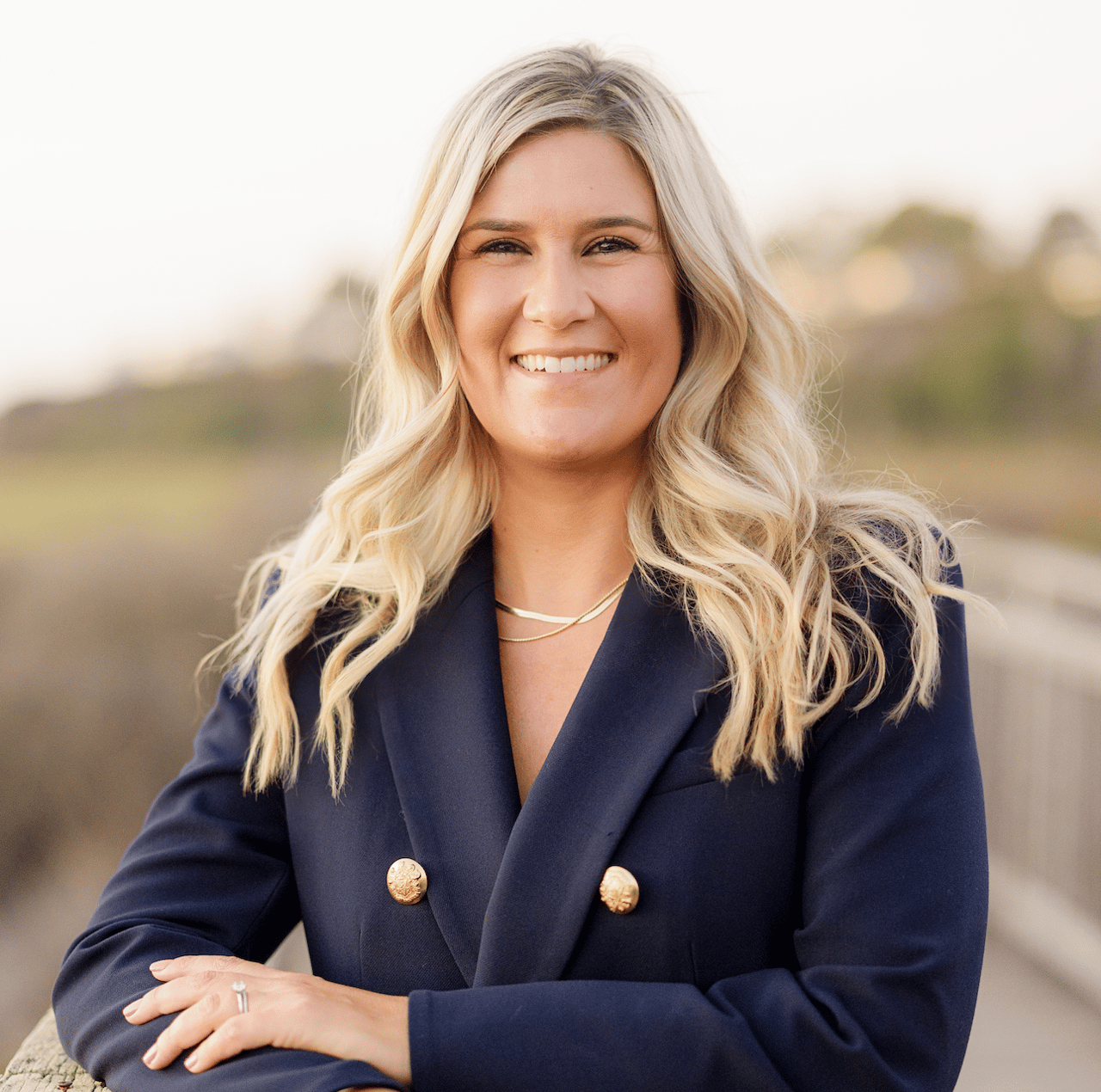
Alexandra Crum
A trusted real estate agent in Rancho Santa Fe, CA, known for her market expertise and personalized client service. With a background in managing family properties and a passion for real estate, she brings valuable local insight. An equestrian enthusiast, she loves Rancho Santa Fe’s charm and strong community. Outside of real estate, she enjoys design, fitness, and supporting her children's activities.
Stay up to date on the latest real estate trends.
What to Expect During the Buyers Home Inspection Process in Rancho Santa Fe.
How to Time the Market When Selling a House in Rancho Santa Fe.

Sophisticated Interior Design Styles in Rancho Santa Fe for Luxury Homes.
Strategic Improvements and Value-Adding Home Upgrades for Rancho Santa Fe.

What Sellers Should Understand About a Home Inspection Before Selling.
Smart Home Search Tips for Rancho Santa Fe Buyers.
My mission is to provide you with exceptional service and results that exceed your expectations.