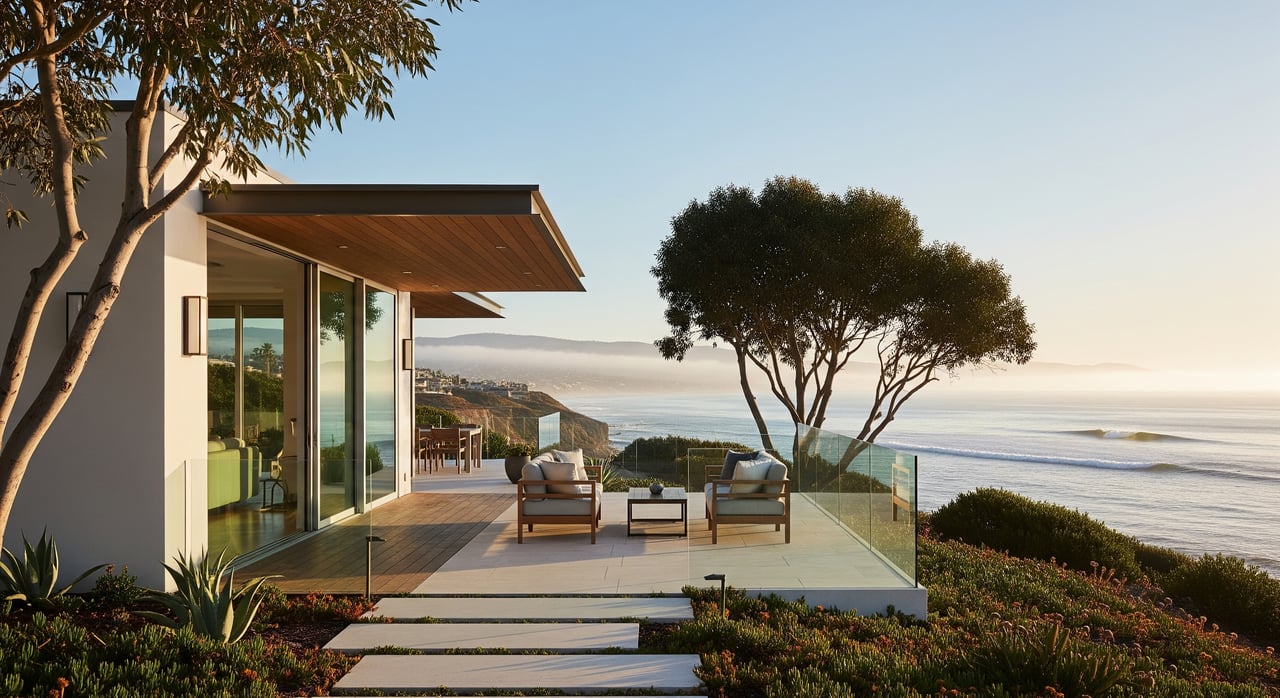
Encinitas Microclimates Real Estate Guide for Buyers
January 22, 2026
January 22, 2026
Why does one Encinitas block feel sweater‑weather cool while another is perfect pool weather? If you are moving within San Diego or relocating from out of the area, these shifts can be surprising. Understanding Encinitas’s microclimates helps you choose a home that fits your comfort, energy use, landscaping goals, and maintenance preferences. In this guide, you will learn what drives the differences, how they affect daily life, and how to match your lifestyle to the right neighborhood. Let’s dive in.
Encinitas sits where ocean air, coastal canyons, and gentle hills meet. The marine layer brings cool, cloudy mornings in late spring and early summer, often called May Gray and June Gloom. Daytime sea breezes push cool air inland, but those winds weaken as you move away from the shore or up and over ridges. Even small changes in elevation and distance from the coast shift temperature, humidity, and wind.
Topography also matters. Canyons and the north–south coastline can funnel breezes, creating local gusts or carrying salt spray farther than you expect. Street design, vegetation, and paved surfaces add another layer, changing how warm or breezy a lot feels at different times of day.
Southern California has trended warmer in recent decades with more frequent extreme heat events. During heat waves, inland–coast temperature contrasts can feel larger. This makes microclimate fit even more important when you plan for comfort and energy use.
Coastal areas usually feel milder on hot days, though they can stay cool and damp on overcast mornings. Inland areas often deliver consistent sun and warmth, which many buyers prefer for outdoor living and pools. South and west exposures pick up stronger afternoon sun, while north exposures stay cooler with softer light.
Breezes help ventilate homes and patios, especially along canyon corridors. They can also bring wind‑driven dust or carry salt in certain exposures. If ocean views are a priority, know that the marine layer can reduce visibility some mornings. Visit at different times to see how often your view opens up.
Cooling demand is usually higher inland and lower near the coast. Even so, coastal homes may still benefit from dehumidification or light AC during heat waves. Heating demand is modest overall in Encinitas, but cooler coastal evenings or higher elevations might have you reaching for a space heater or using a small furnace more often.
HVAC sizing should reflect the specific microclimate and exposure of the home, not only a county average. Inland buyers often prioritize shading, ceiling fans, and efficient AC systems. Coastal buyers sometimes lean on natural ventilation. Heat pumps work well across Encinitas when sized and commissioned correctly.
Solar performs well across the region. Morning cloud near the coast can reduce early output, but once skies clear, panels produce strongly. South‑facing arrays remain ideal. Sunnier inland roofs can generate slightly more morning‑to‑midday output over a year, but site‑specific estimates are best.
For ventilation, coastal homes often rely on breezes and operable windows. Inland homes benefit from thoughtful shading, whole‑house fans, and efficient AC to keep evening temperatures comfortable after sunny days.
Near the ocean, choose salt‑tolerant species and materials. Think native coastal plantings or ornamentals that handle salt and humidity. Inland and sunnier south or west exposures support heat‑loving Mediterranean species and productive vegetable gardens.
Irrigation needs rise as you move inland due to warmer, drier conditions. Coastal fog can reduce plant water loss but may raise the risk of fungal issues on leaves. If you want year‑round bright sun for patios, pools, or garden beds, inland or higher‑sun exposures are a better fit.
Salt air accelerates corrosion. Near the coast, you will want corrosion‑resistant fasteners and exterior hardware, plus regular inspections of metalwork and HVAC coils. Moisture and salt can also push you to repaint or patch stucco more often. Wood elements need robust protective finishes and periodic checks for rot.
All common roof types can perform well, but flashing and fastener selection matter. Window choices lean toward double panes, durable frames like fiberglass or vinyl, and coatings that handle salt and humidity. UV exposure is moderate overall, yet fabrics and flooring near south or west windows can still fade without protection.
Coastal hazards like bluff erosion and coastal flooding affect some properties near the water. Blufftop homes may face special setbacks and reviews. Insurance premiums can vary with proximity to the ocean and flood risk. Standard homeowner policies do not include flood insurance, so low‑lying parcels may require separate coverage. HOA and Coastal Commission rules can guide landscaping and exterior materials in certain zones.
Homes within about a mile of the shoreline can vary widely. A sun‑exposed, ocean‑view lot may still see a cool, foggy morning during May Gray. Small topographic shifts, like a canyon edge versus a sheltered hollow, can change wind and moisture patterns. Take time to feel how a home lives throughout the day.
Visit at least twice, morning and afternoon.
Before you write an offer, gather site‑specific info.
Microclimates in Encinitas are part of its charm. The same elements that power a world‑class beach lifestyle also create meaningful differences in comfort, energy use, landscaping, and maintenance. When you match your preferences to the right pocket, you will love how your home lives from morning fog to golden evening light.
If you want a clear plan tailored to your lifestyle, sun preferences, and maintenance goals, let’s talk. I will help you narrow the right blocks, evaluate site conditions, and coordinate the specialists you need for confident decisions. Connect with Alexandra Crum to start your Encinitas search.

Alexandra Crum
A trusted real estate agent in Rancho Santa Fe, CA, known for her market expertise and personalized client service. With a background in managing family properties and a passion for real estate, she brings valuable local insight. An equestrian enthusiast, she loves Rancho Santa Fe’s charm and strong community. Outside of real estate, she enjoys design, fitness, and supporting her children's activities.
Stay up to date on the latest real estate trends.
What to Expect During the Buyers Home Inspection Process in Rancho Santa Fe.

How to Time the Market When Selling a House in Rancho Santa Fe.

Sophisticated Interior Design Styles in Rancho Santa Fe for Luxury Homes.

Strategic Improvements and Value-Adding Home Upgrades for Rancho Santa Fe.
My mission is to provide you with exceptional service and results that exceed your expectations.