Wondering why two similar Rancho Santa Fe estates can sit on the market for months while another draws a quick offer? In a community where every property is unique, time on market can be hard to read. You want to price with confidence, plan your timeline, and avoid costly delays. Here is how pricing bands in Rancho Santa Fe shape buyer demand and days on market, plus what you can do about it. Let’s dive in.
Why price bands matter in Rancho Santa Fe
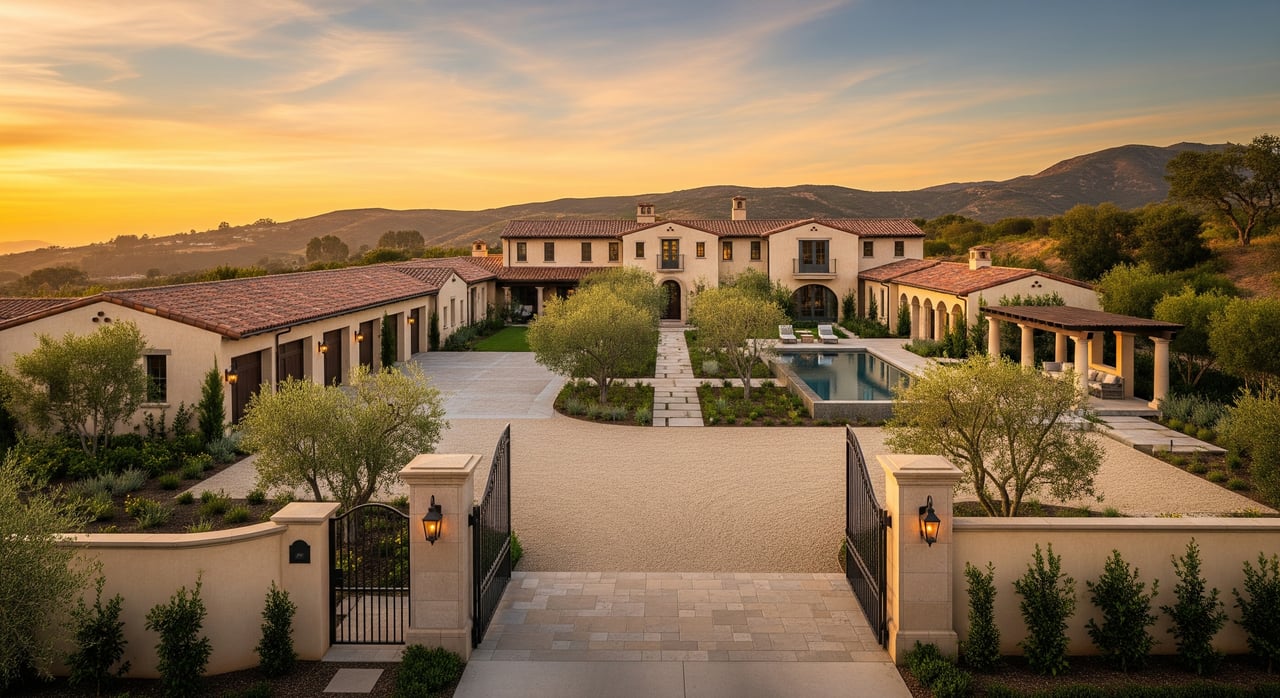
Rancho Santa Fe is a luxury, low-density market with large lots, private enclaves, and a strong presence of cash and investor buyers. That mix changes how price interacts with time on market. As prices rise, the buyer pool usually shrinks, which can slow the pace. At the same time, trophy estates can sell fast when the right buyer is watching.
There is also a wide spread in values, from multi-million to tens of millions. Averages can be misleading, especially at the ultra-luxury end where only a handful of sales may close in a quarter. Some sales occur off market, so public days-on-market metrics may not capture the full picture.
Suggested price bands
Use price bands that reflect how buyers actually shop here and that allow enough sales in each group to see a real pattern. A practical set for Rancho Santa Fe is:
- Band A: Entry to lower luxury, up to about $2–3 million. Inventory is limited in this range. Some months you may see very few sales.
- Band B: Mid-luxury, roughly $3–6 million. This is often the most active band with a broader buyer pool.
- Band C: Upper luxury, roughly $6–10 million. Fewer qualified buyers, more variation in features and views.
- Band D: High luxury, roughly $10–25 million. Search timelines extend and marketing must be highly targeted.
- Band E: Ultra luxury, $25 million and up. Sample sizes are very small. A single sale can skew averages.
Treat these as guideposts, not rigid categories. If there are too few sales in a band, it helps to combine adjacent bands so you are not drawing big conclusions from a tiny sample.
How price influences days on market
Several forces link price and speed in Rancho Santa Fe:
- Buyer pool size. Higher price points attract fewer buyers, which typically lengthens time on market.
- Financing. Jumbo loans and cash are common in the upper tiers. Cash can shorten closing timelines, but it does not always change how long it takes to secure an accepted offer.
- Marketing reach. Luxury estates need targeted exposure. If marketing misses the right audience, days on market lengthen.
- Property fit. Unique estates can take longer to match with the right buyer. On the flip side, special trophy homes can move quickly.
- Seasonality and macro conditions. Interest rates, stock market performance, and seasonal patterns can speed up or slow down each band.
What you can usually expect
- Median days on market often increases as you move up the bands.
- Variability is wider at the top end. Some listings sell fast, others take longer.
- Sale-to-list price ratios can dip slightly in higher bands, though demand for standout homes can buck the trend.
- Cash share often rises in higher bands, which changes negotiation and closing dynamics.
Off-market and cash impact
Off-market and pocket listings are more common in luxury settings. These sales may not show in public stats, so the visible time on market can understate or misstate seller exposure. Also, cash can compress the escrow timeline. That affects days to close, not always days to pending. For planning, focus first on how long it takes to secure an accepted offer, then plan your escrow.
Read DOM the right way
If you are a seller, you want to understand how long it might take to attract the right buyer at your price point. If you are a buyer, you want to know how quickly you need to move and where negotiation room may exist. To make sense of time on market by band, use a clear, apples-to-apples method.
- Use a trailing 12-month window for a current snapshot. For small samples, look at 24 to 36 months.
- Highlight sample counts per band so you can judge reliability.
- Track days to pending to measure marketing performance, not just days to close.
- Watch for relists that reset public days on market. Definitions can differ by platform.
Key metrics to watch
- Median days on market and interquartile range to understand typical pace and spread.
- Median days to pending to gauge how fast offers arrive.
- Percent sold within 30, 60, 90, and 180 days to plan timelines.
- Median sale-to-list price ratio and the share sold under or over original list.
- Share of cash versus financed purchases, when available.
Seller strategies by band
Pricing and presentation can shorten your runway in any band. Tailor your plan to how buyers shop at your tier.
- Bands A–B, up to about $6 million. These ranges are more liquid. Competitive pricing, a polished presentation, and fast launch marketing matter. Invest in professional photography, compelling copy, and minor repairs or staging. The goal is to maximize early exposure when interest is highest.
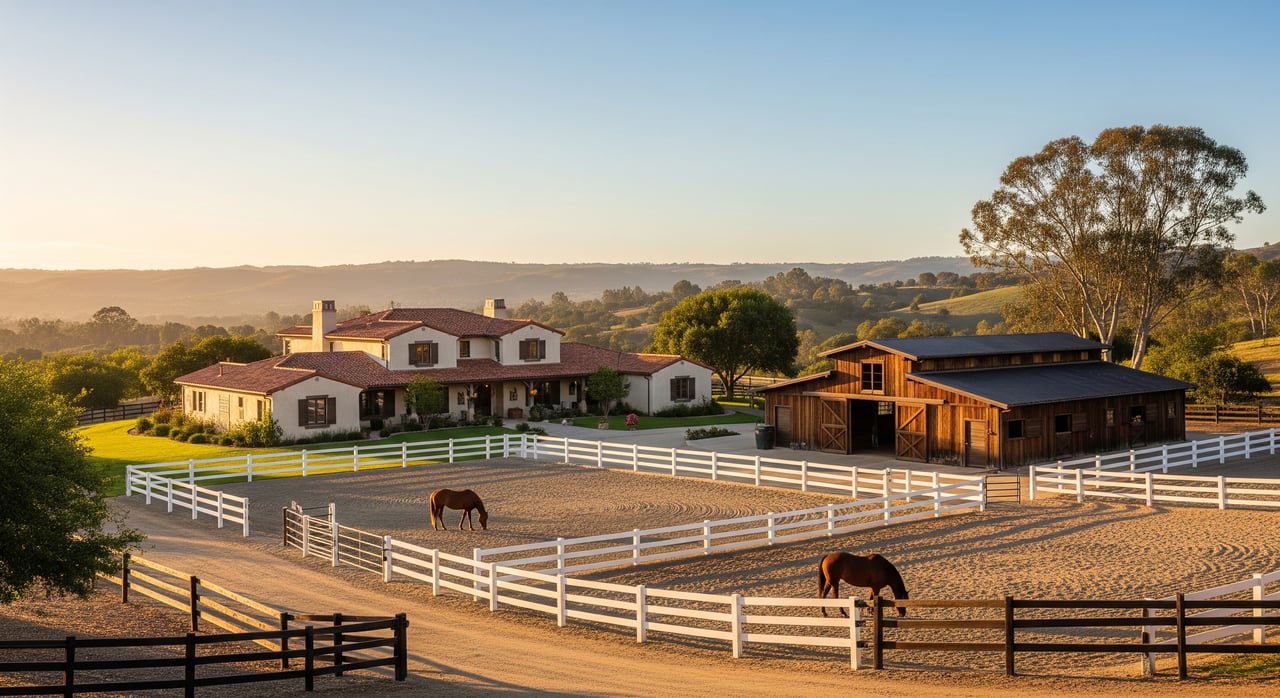
- Band C, roughly $6–10 million. Lead with value and uniqueness. Price within a tight range of the best comps while accounting for distinct features like views, equestrian facilities, or privacy. Expect a longer search window if your home is highly customized. Target marketing toward qualified, lifestyle-focused buyers who will value those features.
- Bands D–E, $10 million and up. Expect longer horizons and a smaller, more global buyer pool. Consider whether off-market exposure makes sense, but weigh the tradeoff in market feedback. Lean into elevated storytelling, selective events, and direct outreach to high-net-worth networks. Be prepared to adjust pricing based on real-time activity, not just past comps.
Practical tips for any band:
- Price right from day one. Overpricing early can push a listing past the key exposure window, which can add weeks to your timeline.
- If you adjust price, pair the change with refreshed marketing. New visuals and copy can re-engage qualified buyers.
- Consider incentives during more rate-sensitive periods, such as closing flexibility or rate buydowns in mid and upper tiers.
Buyer strategies by band
Your pace and playbook change with price.
- Bands A–B. Inventory can move faster. Get pre-approval or be prepared with proof of funds. Tour early and make clean offers when you find a fit.
- Band C. More variety and more room for negotiation on homes that have been listed longer. Study days on market alongside recent price adjustments. Move quickly on standout properties.
- Bands D–E. Patience helps. Trophy estates may still move fast when they hit the market. Work with an agent who can surface opportunities, including quiet offerings that match your criteria.
Seasonality and market timing
Spring and early fall often bring more activity. That said, buyers in luxury markets can be active year-round. Interest rate shifts and stock market moves can change momentum within weeks. If you are planning to sell, tracking a rolling view of days on market by band can help you choose the right launch window.
What a custom analysis includes
A clear, local view beats generic stats. A pricing-band analysis for Rancho Santa Fe typically includes:
- A trailing 12-month snapshot, with multi-year context for higher bands.
- Median and days-to-pending by band, with sample counts and ranges.
- The share sold within 30, 60, 90, and 180 days at each price tier.
- Sale-to-list price patterns and cash share when available.
- Notes on off-market activity and how it may affect what you see online.
This approach respects Rancho Santa Fe’s unique mix of estates, gated enclaves, equestrian properties, and ultra-luxury listings. It helps you plan your pricing, marketing, and timeline with confidence.
Ready to plan your move?
If you are weighing when to list or how to price in Rancho Santa Fe, a band-by-band view can save time and protect your outcome. You will see where your property fits, how buyers behave at that tier, and which levers will shorten your days on market. For a tailored analysis and a premium marketing plan calibrated to your band, connect with Alexandra Crum.
FAQs
Do more expensive Rancho Santa Fe homes always take longer to sell?
- Generally yes. As price rises the buyer pool shrinks, so median days on market tends to increase, though trophy estates can still sell quickly.
How much does list price affect time on market in Rancho Santa Fe?
- It is one of the strongest drivers. A correct initial price relative to active and recent sales shortens time to an accepted offer.
Why do days on market numbers look different across websites?
- Platforms can define or reset days on market differently. Relists and off-market activity can also skew what you see publicly.
How do cash offers change the timeline at higher price bands?
- Cash can speed up closing, but it does not always reduce the time to secure an offer. Focus on days to pending first, then escrow length.
What should sellers expect in the $6–10 million band in Rancho Santa Fe?
- More variation in features and a narrower buyer pool. Strong targeted marketing and value-driven pricing help shorten the runway.
Is off-market selling a good idea for ultra-luxury properties?
- It can be, but it limits market feedback. Weigh privacy and control against the wider exposure that can surface the right buyer faster.